
Safe Ways to Remove Earwax at Home in Summer
If you spend your summer weekends in the water at La Jolla Cove or Mission
By: admin | June 25, 2026
San Diego knows how to put on an event. Between the street fairs, music festivals, outdoor concerts and community gatherings that run nearly year-round in this climate, there’s almost always something worth showing up for.
And most of the time, you’re not thinking about your hearing when you’re standing in a crowd watching a band or wandering through a festival. You’re just there, enjoying it, which is exactly how it should be.
Loud environments don’t have to hurt to cause harm. A few hours near a main stage add up quickly. Your ears register the toll long before you notice it.
The ringing you notice on the drive home is your auditory system telling you something. Enough of those moments over time, and the effects stop being temporary.
A loud concert, sporting event or festival can be fun in the moment, but it can also expose your ears to sound levels that are high enough to cause damage. Inside your inner ear are tiny hair cells that help you hear.
When they’re exposed to too much noise, those cells can become damaged, and unlike many other parts of the body, they don’t grow back.
The effects of noise exposure often add up over time. Years of loud concerts, power tools, lawn equipment or headphones played at high volumes can make your ears more vulnerable to additional damage.
For some people, the first signs are subtle. You may find yourself asking people to repeat themselves more often, struggling to follow conversations in noisy places or noticing ringing in your ears after a loud event.
Large public events naturally create an environment where sound levels can quickly become dangerous for your ears. Between massive main-stage speakers, roaring crowds and loud generators running in the background, the baseline noise stays consistently high.
It is easy to lose track of how intense the environment is when you are caught up in the excitement of a festival or game. Keeping tabs on these surroundings helps you know when your ears need a break.
Watch out for these specific environmental triggers and physical warning signs during your next outing:
Where you stand at a concert, festival or other loud event can make a bigger difference than you might think. The closer you are to the speakers, the more noise your ears are exposed to.
Moving farther back in the crowd or choosing a spot away from the stage can reduce that exposure while still giving you a good view and a chance to enjoy the performance.
A few minutes near a speaker is very different from spending several hours in the same spot. That’s why where you stand and how long you stay there are both worth thinking about.
Taking occasional breaks in a quieter area can give your ears a chance to rest before heading back into the crowd. Whether that’s grabbing something to eat or simply stepping away from the speakers for a while, those breaks can make a difference during a long event.
Concerts, festivals and sporting events can expose your ears to noise levels that are much higher than what you encounter in everyday life. The closer you are to speakers and the longer you stay in a loud environment, the more strain that noise can place on your hearing.
While a single event may not cause noticeable problems, repeated exposure over time can increase the risk of hearing loss and tinnitus. A few practical steps can help reduce your overall noise exposure while still allowing you to enjoy the experience.
Before heading out, consider the following checklist:
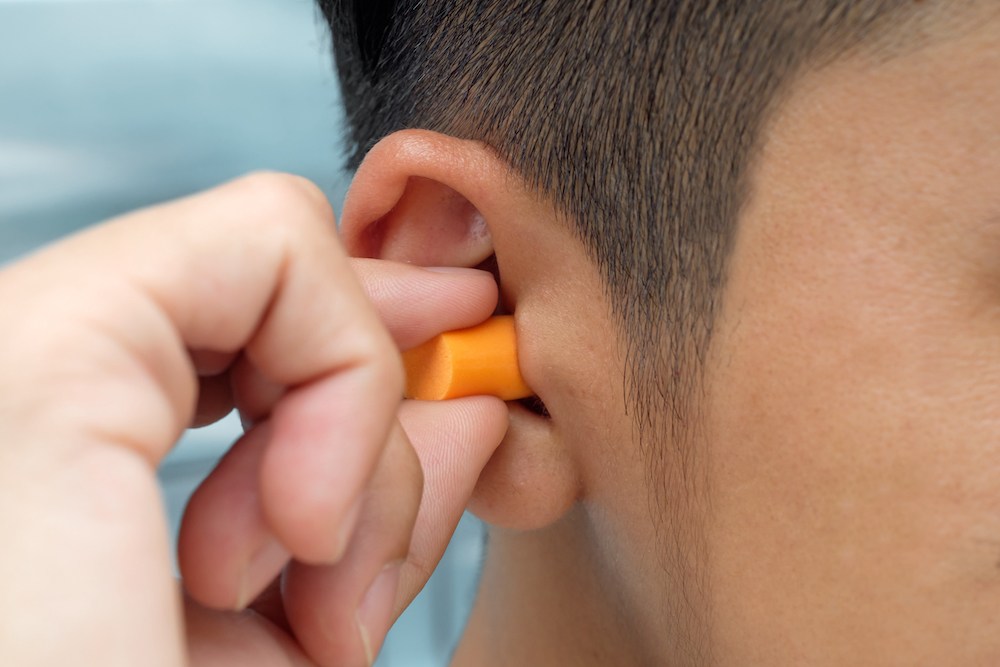
Finding the right ear protection can completely change your experience at a crowded festival or concert. Many people skip wearing plugs because they worry about muffled sound or physical discomfort during a long day of music.
Modern options come in various shapes and designs to keep you comfortable while keeping sound levels within a safe range. Selecting the proper style depends on your budget, how often you attend events and how much you care about sound quality.
You can choose from several common types of ear protection depending on your personal needs:
San Diego music lovers are lucky to enjoy a year-round outdoor lifestyle with expansive open-air venues instead of cramped indoor clubs. These open concert spaces make it easier to protect your hearing because sound can dissipate instead of bouncing off tight walls.
You can easily use the layout of these outdoor parks and fairgrounds to step away from the intense volume without leaving the event entirely. Catching a show under the sun means you have plenty of room to roam when the noise gets too intense.
Planning short breaks throughout the day allows your ears to recover from the constant noise pressure. Walking over to the food trucks, artist merchandise booths or restrooms usually positions you far enough from the main speakers to find relief.
You can also mix up your location by spending the opening acts toward the back of the lawn and only moving closer for your favorite songs. Shifting your position throughout the afternoon supports your long-term hearing while letting you enjoy the beautiful weather.
It’s not always easy to tell when an environment has become loud enough to put your hearing at risk. Sound level meter apps can help by using your phone’s microphone to estimate noise levels and display them in decibels.
Many of these apps are free or inexpensive, making them a useful tool at concerts, festivals and other loud events. While they aren’t as precise as professional sound meters, they can give you a general idea of how much noise you’re being exposed to.
If the readings stay high for an extended period, it may be a good time to put in earplugs, move farther from the speakers or take a break in a quieter area.
Waking up after a loud concert, festival or sporting event with ringing in your ears or muffled hearing is fairly common. In many cases, these symptoms improve on their own over the next day or two as your ears recover from the noise exposure.
During that time, it can help to give your ears a break from additional loud sounds. Keeping the volume down on headphones, earbuds and other devices may help reduce further strain while your hearing returns to normal.
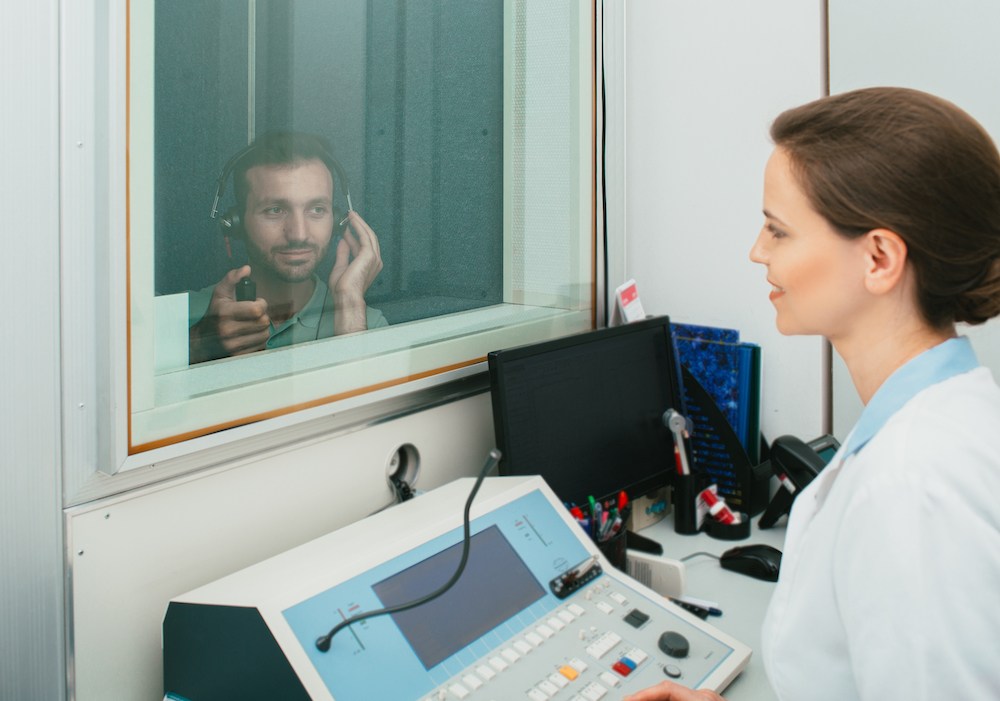
Temporary ringing or muffled hearing often fades within 24-48 hours. If symptoms last longer than that, or if they seem to be getting worse instead of better, it’s a good idea to schedule a hearing evaluation.
An audiologist can determine whether the symptoms are related to noise exposure or if another issue may be contributing to the problem.
The events that make San Diego worth living in aren’t going anywhere, and neither is the noise that comes with them. Protecting your hearing doesn’t mean skipping out on the things you enjoy. It means showing up with a little more intention so you can keep enjoying them for a long time.
If you have questions about hearing protection or want to get your hearing checked after a busy festival season, give ChEARS Hearing Center a call. We’re in San Diego, CA and easy to reach at (619) 717-2601.
Tags: hearing loss prevention tips, hearing protection products, types of hearing protection

If you spend your summer weekends in the water at La Jolla Cove or Mission
By: admin | July 26, 2026
San Diego knows how to put on an event. Between the street fairs, music
By: admin | June 25, 2026
After 40, most of us get a bit more serious about taking care of
By: admin | January 19, 2026